


Thousands of people across Wales and beyond quietly support someone they care about every day.
They help a parent manage at home. They check in on a neighbour. They juggle work, family life, and making sure someone else is safe and well.
Many of them wouldn’t describe themselves as a carer, but they are.
Recognising the hidden carers
An unpaid carer is anyone who supports a family member, partner, friend or neighbour who couldn’t manage without their help.
That support might include:
Helping with day-to-day tasks
Offering emotional support
Managing appointments or medications
Checking in regularly to make sure someone is safe
For many people, it simply feels like “looking after someone I love.” But over time, that role can grow, and so can the pressures that come with it.
That’s why recognising carers is so important. Because when people see themselves as carers, they’re more likely to access support, information and guidance.
A familiar story
We often hear from people who haven’t thought of themselves as carers, until they talk it through.
Here’s an example, a Carmarthenshire resident recently contacted our Information, Advice and Assistance (IAA) team as she was concerned about her mother, who lives alone.
She had been checking in regularly, helping with shopping, and worrying about what might happen if something went wrong, especially when she was at work or looking after her own family.
At first, she didn’t describe herself as a carer. She was simply doing what many people do, supporting someone they care about. But through that conversation, we were able to:
Help her recognise the role she was already playing
Provide information and reassurance
Arrange a Carers Needs Assessment
Signpost to local sources of support
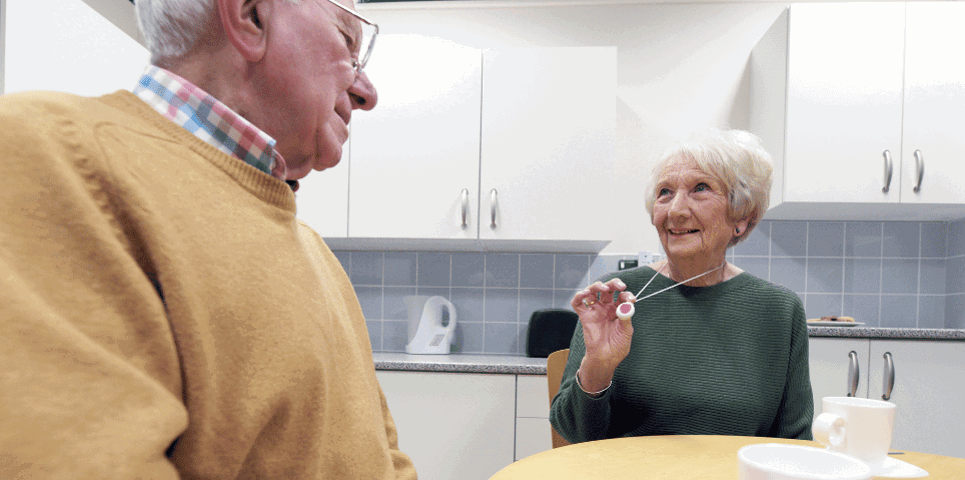
We also explored ways to help her mother feel safer and more confident at home. We provided a personal alarm (or lifeline), which meant she could press a button at any time of day or night to speak to our friendly team at our monitoring centre. If needed, our Response service could attend in person to provide support.
For the daughter, it wasn’t just about the technology, it was about peace of mind. Knowing someone was always there allowed her to continue working and supporting her own family, without the same level of worry or guilt.
Building carer friendly communities
Stories like this are more common than many people realise.
Building a carer friendly community starts with:
Helping people recognise when they are carers
Making support easy to access
Creating understanding in workplaces and communities
If you are supporting someone, even in small ways, you are not alone.
If you think you, or someone you know, may be a carer, there is support available. Sometimes, it starts with simply recognising the role you already play. You don’t have to call yourself a carer to be one.
Information and support
-
Carmarthenshire County Council carers support / Carers Needs Assessment
-
Carers Trust Crossroads West Wales: 0300 0200 002
-
West Wales Action for Mental Health: 01267 245572
-
Stroke Association: 0303 3033 100
-
Age Cymru Dyfed: 03333 447 874
-
Alzheimer’s Society: 0333 150 3456
-
Care & Repair: 01554 744300
-
Adferiad Recovery – Carers Information Service: 0333 1211 332
-
Advocacy West Wales: 01267 223197
-
Connecting Carmarthenshire: 0800 917 6255
-
Carers UK Helpline: 0808 808 7777
-
Citizens Advice Bureaux: Carmarthen - 01267 234488; Ammanford - 01269 569267 Llanelli - 01554 759 626
Mental Health & Wellbeing
-
ALL Mental Health Helpline for Wales 24-hour helpline: 0800 132 737 or text help to 81066
-
Age Cymru Mental Health Support Telephone: 08000 223444
-
Mind Info Line: 0300 123 3393
-
Samaritans: 116 123